TRADING MARKETS
Commodities
The basics, the advantages and the risks.
' mask='url(%23m)'/%3E%3C/svg%3E)
'%3E%3Cpath d='M-102 -44H102L82 -106H-82Z' fill='%23000' stroke-width='2.4'/%3E%3Cpath d='M-102 -44H102L82 -106H-82Z' fill='%23fff' fill-opacity='.2' stroke='none'/%3E%3Cpath d='M-97.7 -48.1H97.7M-96.3 -52.3H96.3M-95 -56.4H95M-93.7 -60.5H93.7M-92.3 -64.7H92.3M-91 -68.8H91M-89.7 -72.9H89.7M-88.3 -77.1H88.3M-87 -81.2H87M-85.7 -85.3H85.7M-84.3 -89.5H84.3M-83 -93.6H83M-81.7 -97.7H81.7M-80.3 -101.9H80.3' stroke-width='.9'/%3E%3Cpath d='M-82 -106L-58 -130H58L82 -106Z' fill='%23000' stroke-width='2'/%3E%3Cpath d='M-82 -106L-58 -130H58L82 -106Z' fill='%23fff' fill-opacity='.42' stroke='none'/%3E%3Cpath d='M-52.7 -130L-74.5 -106M-47.5 -130L-67.1 -106M-42.2 -130L-59.6 -106M-36.9 -130L-52.2 -106M-31.6 -130L-44.7 -106M-26.4 -130L-37.3 -106M-21.1 -130L-29.8 -106M-15.8 -130L-22.4 -106M-10.5 -130L-14.9 -106M-5.3 -130L-7.5 -106M0 -130L0 -106M5.3 -130L7.5 -106M10.5 -130L14.9 -106M15.8 -130L22.4 -106M21.1 -130L29.8 -106M26.4 -130L37.3 -106M31.6 -130L44.7 -106M36.9 -130L52.2 -106M42.2 -130L59.6 -106M47.5 -130L67.1 -106M52.7 -130L74.5 -106' stroke-width='.85'/%3E%3Cpath d='M-211 66H-7L-27 4H-191Z' fill='%23000' stroke-width='2.4'/%3E%3Cpath d='M-211 66H-7L-27 4H-191Z' fill='%23fff' fill-opacity='.2' stroke='none'/%3E%3Cpath d='M-206.7 61.9H-11.3M-205.3 57.7H-12.7M-204 53.6H-14M-202.7 49.5H-15.3M-201.3 45.3H-16.7M-200 41.2H-18M-198.7 37.1H-19.3M-197.3 32.9H-20.7M-196 28.8H-22M-194.7 24.7H-23.3M-193.3 20.5H-24.7M-192 16.4H-26M-190.7 12.3H-27.3M-189.3 8.1H-28.7' stroke-width='.9'/%3E%3Cpath d='M-191 4L-167 -20H-51L-27 4Z' fill='%23000' stroke-width='2'/%3E%3Cpath d='M-191 4L-167 -20H-51L-27 4Z' fill='%23fff' fill-opacity='.42' stroke='none'/%3E%3Cpath d='M-161.7 -20L-183.5 4M-156.5 -20L-176.1 4M-151.2 -20L-168.6 4M-145.9 -20L-161.2 4M-140.6 -20L-153.7 4M-135.4 -20L-146.3 4M-130.1 -20L-138.8 4M-124.8 -20L-131.4 4M-119.5 -20L-123.9 4M-114.3 -20L-116.5 4M-109 -20L-109 4M-103.7 -20L-101.5 4M-98.5 -20L-94.1 4M-93.2 -20L-86.6 4M-87.9 -20L-79.2 4M-82.6 -20L-71.7 4M-77.4 -20L-64.3 4M-72.1 -20L-56.8 4M-66.8 -20L-49.4 4M-61.5 -20L-41.9 4M-56.3 -20L-34.5 4' stroke-width='.85'/%3E%3Cpath d='M7 66H211L191 4H27Z' fill='%23000' stroke-width='2.4'/%3E%3Cpath d='M7 66H211L191 4H27Z' fill='%23fff' fill-opacity='.2' stroke='none'/%3E%3Cpath d='M11.3 61.9H206.7M12.7 57.7H205.3M14 53.6H204M15.3 49.5H202.7M16.7 45.3H201.3M18 41.2H200M19.3 37.1H198.7M20.7 32.9H197.3M22 28.8H196M23.3 24.7H194.7M24.7 20.5H193.3M26 16.4H192M27.3 12.3H190.7M28.7 8.1H189.3' stroke-width='.9'/%3E%3Cpath d='M27 4L51 -20H167L191 4Z' fill='%23000' stroke-width='2'/%3E%3Cpath d='M27 4L51 -20H167L191 4Z' fill='%23fff' fill-opacity='.42' stroke='none'/%3E%3Cpath d='M56.3 -20L34.5 4M61.5 -20L41.9 4M66.8 -20L49.4 4M72.1 -20L56.8 4M77.4 -20L64.3 4M82.6 -20L71.7 4M87.9 -20L79.2 4M93.2 -20L86.6 4M98.5 -20L94.1 4M103.7 -20L101.5 4M109 -20L109 4M114.3 -20L116.5 4M119.5 -20L123.9 4M124.8 -20L131.4 4M130.1 -20L138.8 4M135.4 -20L146.3 4M140.6 -20L153.7 4M145.9 -20L161.2 4M151.2 -20L168.6 4M156.5 -20L176.1 4M161.7 -20L183.5 4' stroke-width='.85'/%3E%3C/g%3E%3Cg transform='translate(430 120)'%3E%3Cdefs%3E%3Cg id='g'%3E%3Cpath d='M0 0C-14 -13 -14 -34 0 -50C14 -34 14 -13 0 0Z' fill='%23000' stroke='none'/%3E%3Cpath d='M0 0C-14 -13 -14 -34 0 -50C14 -34 14 -13 0 0Z' fill='%23fff' fill-opacity='.6' stroke-width='1.7'/%3E%3Cpath d='M0 -6V-42' stroke='%23000' stroke-width='1.3'/%3E%3C/g%3E%3Cg id='e'%3E%3Cpath d='M0 186C1 130 0 70 0 -100' stroke-width='3'/%3E%3Cg transform='translate(0 66) rotate(-23) scale(1.1)'%3E%3Cuse href='%23g'/%3E%3Cpath d='M0 -48V-104' stroke-width='1' stroke-opacity='.9'/%3E%3C/g%3E%3Cg transform='translate(0 66) rotate(23) scale(1.1)'%3E%3Cuse href='%23g'/%3E%3Cpath d='M0 -48V-104' stroke-width='1' stroke-opacity='.9'/%3E%3C/g%3E%3Cg transform='translate(0 41) rotate(-23) scale(1.05)'%3E%3Cuse href='%23g'/%3E%3Cpath d='M0 -48V-104' stroke-width='1' stroke-opacity='.9'/%3E%3C/g%3E%3Cg transform='translate(0 41) rotate(23) scale(1.05)'%3E%3Cuse href='%23g'/%3E%3Cpath d='M0 -48V-104' stroke-width='1' stroke-opacity='.9'/%3E%3C/g%3E%3Cg transform='translate(0 16) rotate(-23) scale(1)'%3E%3Cuse href='%23g'/%3E%3Cpath d='M0 -48V-104' stroke-width='1' stroke-opacity='.9'/%3E%3C/g%3E%3Cg transform='translate(0 16) rotate(23) scale(1)'%3E%3Cuse href='%23g'/%3E%3Cpath d='M0 -48V-104' stroke-width='1' stroke-opacity='.9'/%3E%3C/g%3E%3Cg transform='translate(0 -9) rotate(-23) scale(.95)'%3E%3Cuse href='%23g'/%3E%3Cpath d='M0 -48V-104' stroke-width='1' stroke-opacity='.9'/%3E%3C/g%3E%3Cg transform='translate(0 -9) rotate(23) scale(.95)'%3E%3Cuse href='%23g'/%3E%3Cpath d='M0 -48V-104' stroke-width='1' stroke-opacity='.9'/%3E%3C/g%3E%3Cg transform='translate(0 -34) rotate(-23) scale(.9)'%3E%3Cuse href='%23g'/%3E%3Cpath d='M0 -48V-104' stroke-width='1' stroke-opacity='.9'/%3E%3C/g%3E%3Cg transform='translate(0 -34) rotate(23) scale(.9)'%3E%3Cuse href='%23g'/%3E%3Cpath d='M0 -48V-104' stroke-width='1' stroke-opacity='.9'/%3E%3C/g%3E%3Cg transform='translate(0 -59) rotate(-23) scale(.85)'%3E%3Cuse href='%23g'/%3E%3Cpath d='M0 -48V-104' stroke-width='1' stroke-opacity='.9'/%3E%3C/g%3E%3Cg transform='translate(0 -59) rotate(23) scale(.85)'%3E%3Cuse href='%23g'/%3E%3Cpath d='M0 -48V-104' stroke-width='1' stroke-opacity='.9'/%3E%3C/g%3E%3Cg transform='translate(0 -84) rotate(-23) scale(.8)'%3E%3Cuse href='%23g'/%3E%3Cpath d='M0 -48V-104' stroke-width='1' stroke-opacity='.9'/%3E%3C/g%3E%3Cg transform='translate(0 -84) rotate(23) scale(.8)'%3E%3Cuse href='%23g'/%3E%3Cpath d='M0 -48V-104' stroke-width='1' stroke-opacity='.9'/%3E%3C/g%3E%3Cg transform='translate(0 -112) scale(.82)'%3E%3Cuse href='%23g'/%3E%3Cpath d='M0 -48V-118' stroke-width='1.2'/%3E%3C/g%3E%3C/g%3E%3C/defs%3E%3Cuse href='%23e' transform='translate(-18 26) rotate(-26) scale(.86)'/%3E%3Cuse href='%23e' transform='translate(18 26) rotate(26) scale(.86)'/%3E%3Cuse href='%23e' transform='translate(0 2)'/%3E%3Cpath d='M-36 124C-14 132 14 132 36 124M-36 135C-14 143 14 143 36 135' stroke-width='3'/%3E%3C/g%3E%3Cg transform='translate(0 -112)'%3E%3Cdefs%3E%3Cpath id='fl' d='M0 158C-80 158 -132 106 -132 40C-132 -14 -102 -50 -88 -98C-68 -78 -58 -56 -52 -32C-44 -92 -22 -156 32 -206C24 -154 42 -118 66 -86C76 -102 82 -116 86 -134C112 -88 132 -32 132 38C132 106 80 158 0 158Z'/%3E%3CclipPath id='fc'%3E%3Cpath d='M0 158C-80 158 -132 106 -132 40C-132 -14 -102 -50 -88 -98C-68 -78 -58 -56 -52 -32C-44 -92 -22 -156 32 -206C24 -154 42 -118 66 -86C76 -102 82 -116 86 -134C112 -88 132 -32 132 38C132 106 80 158 0 158Z'/%3E%3C/clipPath%3E%3C/defs%3E%3Cpath d='M0 158C-80 158 -132 106 -132 40C-132 -14 -102 -50 -88 -98C-68 -78 -58 -56 -52 -32C-44 -92 -22 -156 32 -206C24 -154 42 -118 66 -86C76 -102 82 -116 86 -134C112 -88 132 -32 132 38C132 106 80 158 0 158Z' fill='%23000' stroke='none'/%3E%3Cpath d='M-132 -190H132M-132 -183H132M-132 -176H132M-132 -169H132M-132 -162H132M-132 -155H132M-132 -148H132M-132 -141H132M-132 -134H132M-132 -127H132M-132 -120H132M-132 -113H132M-132 -106H132M-132 -99H132M-132 -92H132M-132 -85H132M-132 -78H132M-132 -71H132M-132 -64H132M-132 -57H132M-132 -50H132M-132 -43H132M-132 -36H132M-132 -29H132M-132 -22H132M-132 -15H132M-132 -8H132M-132 -1H132M-132 6H132M-132 13H132M-132 20H132M-132 27H132M-132 34H132M-132 41H132M-132 48H132M-132 55H132M-132 62H132M-132 69H132M-132 76H132M-132 83H132M-132 90H132M-132 97H132M-132 104H132M-132 111H132M-132 118H132M-132 125H132M-132 132H132M-132 139H132M-132 146H132M-132 153H132' clip-path='url(%23fc)' stroke-width='.7' stroke-opacity='.5'/%3E%3Cpath d='M0 158C-80 158 -132 106 -132 40C-132 -14 -102 -50 -88 -98C-68 -78 -58 -56 -52 -32C-44 -92 -22 -156 32 -206C24 -154 42 -118 66 -86C76 -102 82 -116 86 -134C112 -88 132 -32 132 38C132 106 80 158 0 158Z' fill='%23fff' fill-opacity='.1' stroke-width='3'/%3E%3Cuse href='%23fl' transform='translate(0 22.1) scale(.86)' stroke-width='1.16'/%3E%3Cuse href='%23fl' transform='translate(0 44.2) scale(.72)' stroke-width='1.53'/%3E%3Cuse href='%23fl' transform='translate(0 66.4) scale(.58)' stroke-width='2.07'/%3E%3Cuse href='%23fl' transform='translate(0 88.5) scale(.44)' fill='%23fff' fill-opacity='.46' stroke-width='3'/%3E%3Cuse href='%23fl' transform='translate(0 116.9) scale(.26)' fill='%23fff' stroke='none'/%3E%3C/g%3E%3C/g%3E%3C/mask%3E%3C/defs%3E%3Crect x='-720' y='-400' width='1440' height='800' fill='url(%23l)' mask='url(%23m)'/%3E%3C/svg%3E)
' mask='url(%23m)'/%3E%3C/svg%3E)
What are commodities?
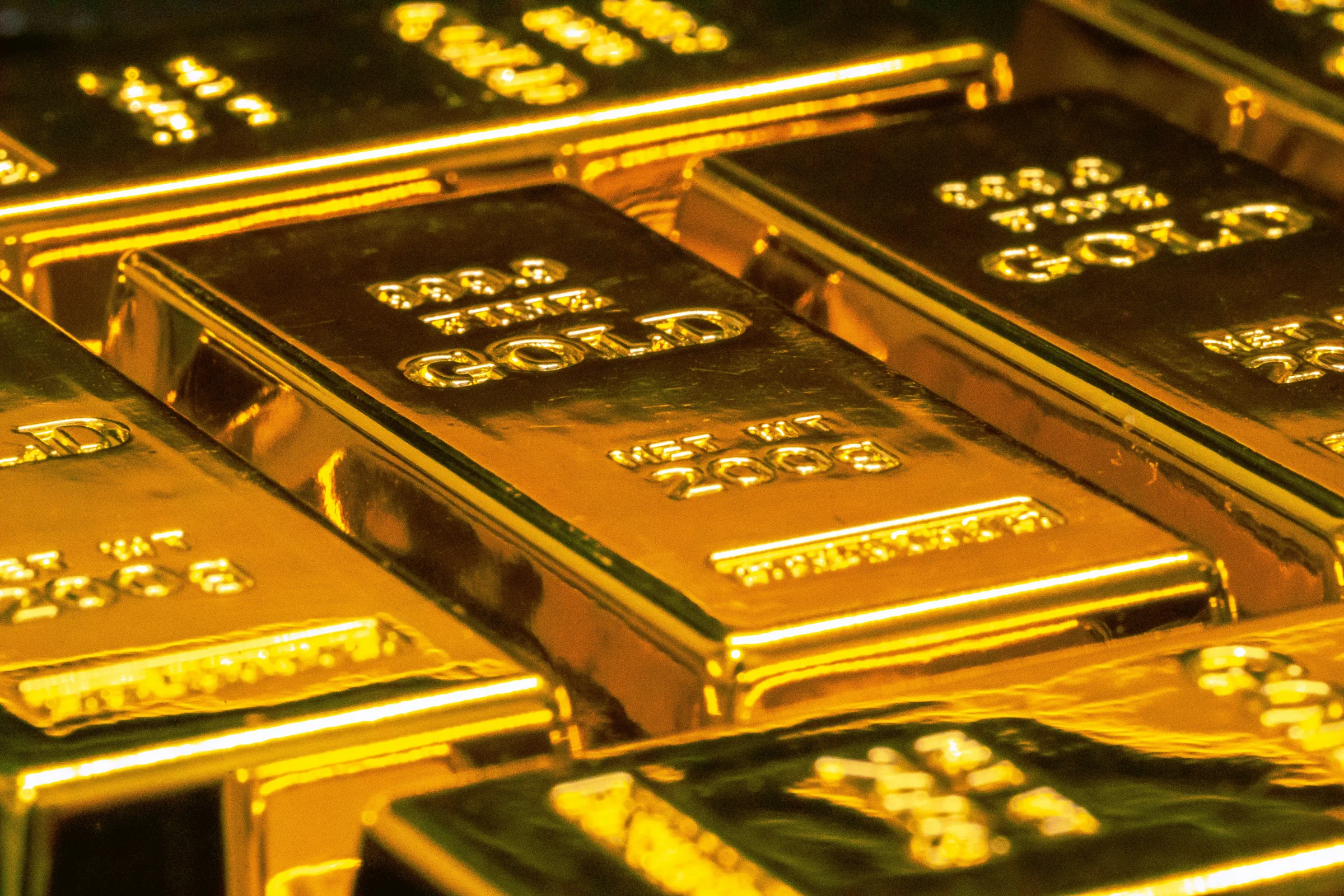
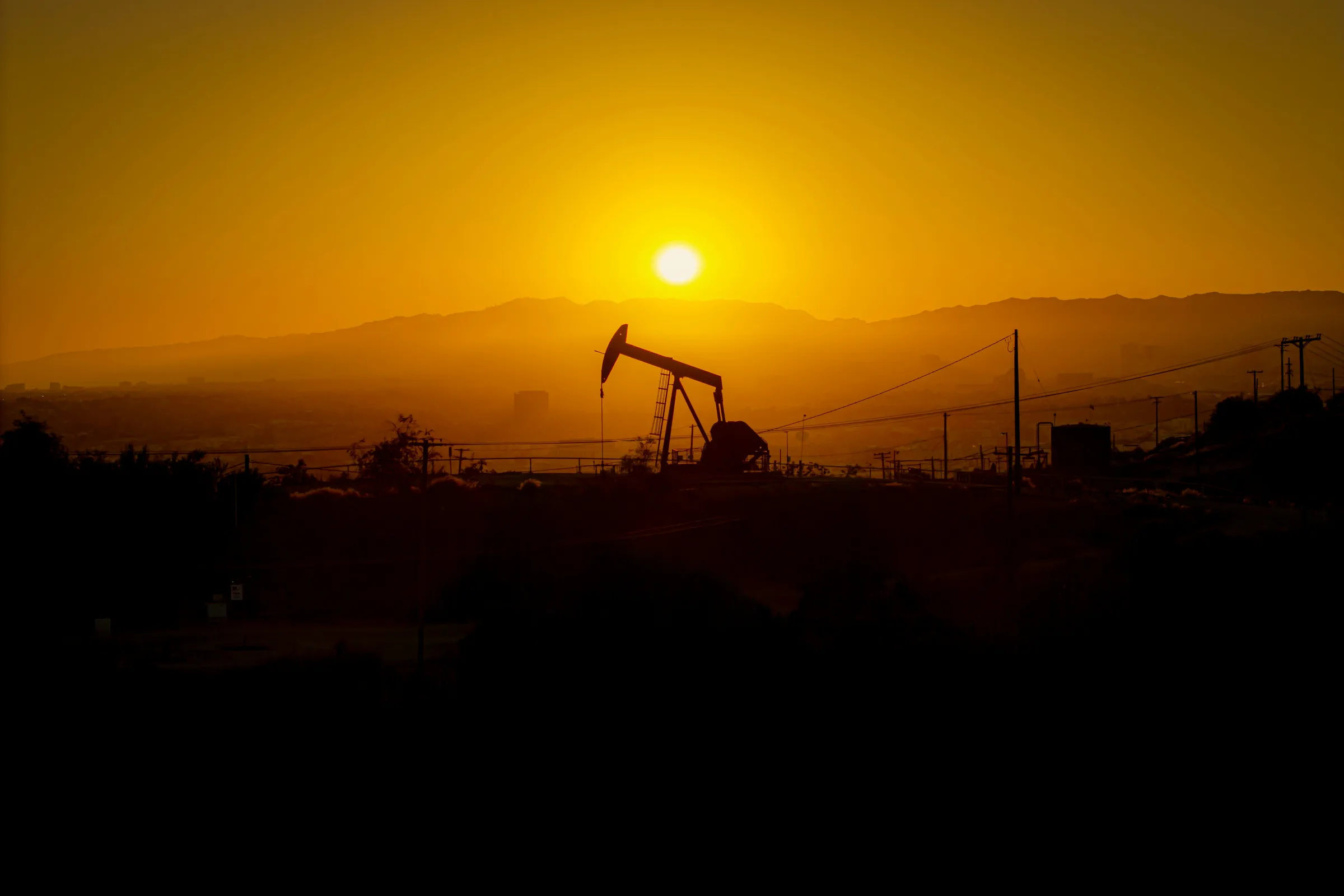
Commodities are raw goods such as oil, gold and agricultural products.
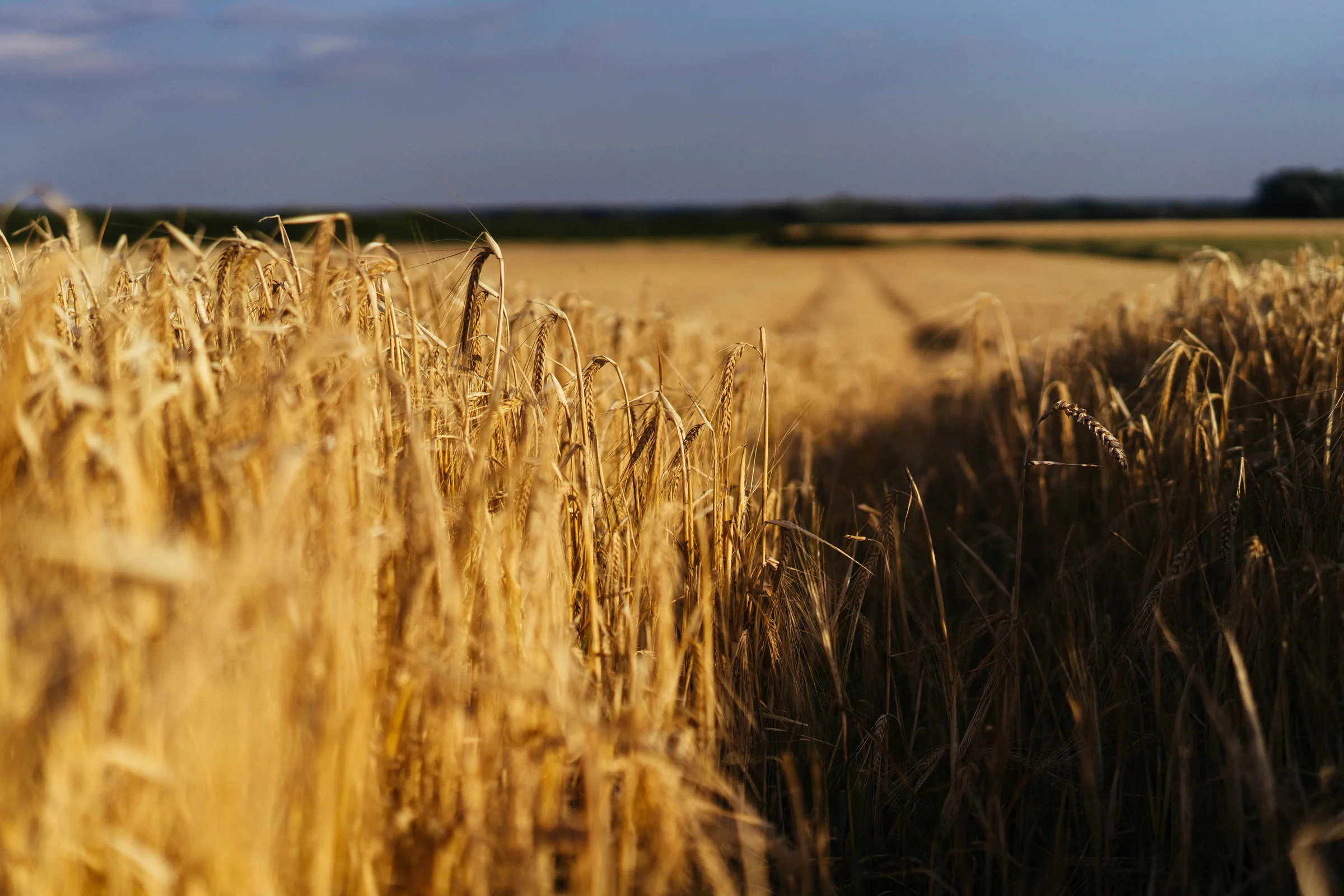
They come in groups: energy such as crude oil, metals such as gold and silver, and farm products such as wheat and coffee.
A commodity futures contract is an agreement to buy or sell a particular commodity at a future date. The price and the amount of the commodity are fixed at the time of the agreement.
How do commodity futures work?
Farmers protect their price
A wheat farmer can lose money if the price of wheat falls before the harvest. By selling wheat futures, the farmer fixes a price in advance.
Buyers protect theirs
Buyers such as millers, who grind wheat into flour, use futures to know what they will pay. This is called hedging.
Exchanges set the terms
Futures trade on exchanges that set the same terms for everyone: how much, what quality, and when and where it is delivered.
A clearing house in the middle
A clearing house acts as the buyer to every seller and the seller to every buyer.
Gains and losses every day
Each day, every position is valued at the market price. Gains are added to the trader’s margin account, and losses are taken from it.
What do the key words mean?
- Spot price
- The price of a commodity for delivery now, at a given time and place.
- Contract size
- The amount of a commodity in one contract, set by the exchange.
- Long and short
- Going long means buying a futures contract. Going short means selling one.
- Margin
- Money deposited to cover a futures position. It is not a down payment: it makes sure traders can meet their obligations.
- Leverage
- Controlling a large amount of a commodity with a small amount of money.
- Delivery
- Handing over the actual commodity, or its cash value, to settle a contract.
What moves commodity prices?
Commodity prices move with supply and demand: how much is produced, and how much is wanted.
Weather matters too. In an example from the US CFTC, ideal weather brings a very large wheat harvest, and the price of wheat falls.
What drives crude oil prices
The US Energy Information Administration’s seven key factors.
- Spot prices
- Supply from OPEC countries
- Supply from non-OPEC countries
- The supply demand balance: inventories
- Demand in OECD countries
- Demand in non-OECD countries
- Financial markets
Source: US EIA, read 31 October 2026.
In the EIA’s list, OPEC is the Organization of the Petroleum Exporting Countries. It sets limits on how much oil each member country can produce, and oil prices have historically tended to rise when it lowers them.
The OECD includes the United States, most of Europe and other developed countries.
What are the advantages?
Most participants are hedgers, who trade futures to reduce the risk of financial losses from price changes. Others are speculators, who attempt to profit from price changes in futures contracts.
Most futures contracts, by volume, are closed with an offsetting trade and do not result in delivery.
Because every contract has the same terms, many people can trade the same contract. That makes buying and selling easier.
What are the risks?
Trading commodity futures and options is a volatile, complex and risky venture that is rarely suitable for individual investors.
US CFTC
Many individuals lose all of their money, and can be required to pay more than they invested initially.
US CFTC
Margin against the contract’s value
The contract’s total value
Margin: typically between two and 10 percent
At a 2 percent margin, a 2 percent price move against you equals your whole margin.
Source: US CFTC, undated page, read 31 October 2026. The 2 percent move is arithmetic.
How can ETTFOS help?
Successful traders follow a proven system.
One framework, taught since 1997.
- A disciplined, rules-based approach to trading, with risk management at the heart of every decision.
- Clear rules for entries, exits and risk.
- Entry, target and stop, decided before the trade.
The strategies apply to every time frame, from day trading to the long term, without frantic buying and selling.
ETTFOS courses cover the markets in different depth.
Taught live online or in person, in small, interactive groups.
Next step
Contact us to learn more about the program.
ETTFOS is not an investment advisory service or a broker-dealer, and it does not tell anyone what to buy or sell.

Sources
- US CFTC, “Futures Market Basics”. Undated, read 31 October 2026.
- US CFTC, “The Economic Purpose of Futures Markets”. Undated, read 31 October 2026.
- US EIA, “What drives crude oil prices: Overview”. Read 31 October 2026.
- ETTFOS, Terms & Conditions.
- US CFTC, “CFTC Glossary”. Undated, read 6 November 2026.