TRADING MARKETS
Cryptocurrency
The basics, the advantages and the risks.
'%3E%3Cstop offset='0' stop-color='%23fff3bd' stop-opacity='1'/%3E%3Cstop offset='.26' stop-color='%23f6e078' stop-opacity='1'/%3E%3Cstop offset='.5' stop-color='%23dcb640' stop-opacity='1'/%3E%3Cstop offset='.72' stop-color='%23bf972c' stop-opacity='0.82'/%3E%3Cstop offset='.88' stop-color='%23a0791b' stop-opacity='0.34'/%3E%3Cstop offset='1' stop-color='%237a5c14' stop-opacity='0'/%3E%3C/radialGradient%3E%3Cmask id='m' maskUnits='userSpaceOnUse' x='-800' y='-500' width='1600' height='1000'%3E%3Cg fill='none' stroke='%23fff'%3E%3Cpath d='M283.2 -1798.5L-3115.1 163.5M-283.2 -1798.5L3115.1 163.5M472 -1689.5L-2926.3 272.5M-472 -1689.5L2926.3 272.5M660.8 -1580.5L-2737.5 381.5M-660.8 -1580.5L2737.5 381.5M849.6 -1471.5L-2548.7 490.5M-849.6 -1471.5L2548.7 490.5M1038.4 -1362.5L-2359.9 599.5M-1038.4 -1362.5L2359.9 599.5M1227.2 -1253.5L-2171.1 708.5M-1227.2 -1253.5L2171.1 708.5M1416 -1144.5L-1982.3 817.5M-1416 -1144.5L1982.3 817.5M1604.7 -1035.5L-1793.5 926.5M-1604.7 -1035.5L1793.5 926.5M1793.5 -926.5L-1604.7 1035.5M-1793.5 -926.5L1604.7 1035.5M1982.3 -817.5L-1416 1144.5M-1982.3 -817.5L1416 1144.5M2171.1 -708.5L-1227.2 1253.5M-2171.1 -708.5L1227.2 1253.5M2359.9 -599.5L-1038.4 1362.5M-2359.9 -599.5L1038.4 1362.5M2548.7 -490.5L-849.6 1471.5M-2548.7 -490.5L849.6 1471.5M2737.5 -381.5L-660.8 1580.5M-2737.5 -381.5L660.8 1580.5M2926.3 -272.5L-472 1689.5M-2926.3 -272.5L472 1689.5M3115.1 -163.5L-283.2 1798.5M-3115.1 -163.5L283.2 1798.5' stroke-width='.5' stroke-opacity='.3'/%3E%3Cpath d='M188.8 -1853L-3209.5 109M-188.8 -1853L3209.5 109M377.6 -1744L-3020.7 218M-377.6 -1744L3020.7 218M566.4 -1635L-2831.9 327M-566.4 -1635L2831.9 327M755.2 -1526L-2643.1 436M-755.2 -1526L2643.1 436M944 -1417L-2454.3 545M-944 -1417L2454.3 545M1132.8 -1308L-2265.5 654M-1132.8 -1308L2265.5 654M1321.6 -1199L-2076.7 763M-1321.6 -1199L2076.7 763M1510.3 -1090L-1887.9 872M-1510.3 -1090L1887.9 872M1699.1 -981L-1699.1 981M-1699.1 -981L1699.1 981M1887.9 -872L-1510.3 1090M-1887.9 -872L1510.3 1090M2076.7 -763L-1321.6 1199M-2076.7 -763L1321.6 1199M2265.5 -654L-1132.8 1308M-2265.5 -654L1132.8 1308M2454.3 -545L-944 1417M-2454.3 -545L944 1417M2643.1 -436L-755.2 1526M-2643.1 -436L755.2 1526M2831.9 -327L-566.4 1635M-2831.9 -327L566.4 1635M3020.7 -218L-377.6 1744M-3020.7 -218L377.6 1744M3209.5 -109L-188.8 1853M-3209.5 -109L188.8 1853' stroke-width='.7' stroke-opacity='.6'/%3E%3C/g%3E%3C/mask%3E%3C/defs%3E%3Crect x='-800' y='-500' width='1600' height='1000' fill='url(%23l)' mask='url(%23m)'/%3E%3C/svg%3E)
'%3E%3Cstop offset='0' stop-color='%23fff3bd' stop-opacity='1'/%3E%3Cstop offset='.26' stop-color='%23f6e078' stop-opacity='1'/%3E%3Cstop offset='.5' stop-color='%23dcb640' stop-opacity='1'/%3E%3Cstop offset='.72' stop-color='%23bf972c' stop-opacity='0.82'/%3E%3Cstop offset='.88' stop-color='%23a0791b' stop-opacity='0.34'/%3E%3Cstop offset='1' stop-color='%237a5c14' stop-opacity='0'/%3E%3C/radialGradient%3E%3Cmask id='m' maskUnits='userSpaceOnUse' x='-800' y='-500' width='1600' height='1000'%3E%3Cg fill='none' stroke='%23fff'%3E%3Cdefs%3E%3Cg id='b'%3E%3Cpath d='M0 -129L74.5 -86L0 -43L-74.5 -86Z' fill='%23fff' fill-opacity='.2' stroke='none'/%3E%3Cpath d='M-74.5 -86L0 -43L0 43L-74.5 0Z' fill='%23fff' fill-opacity='.07' stroke='none'/%3E%3Cpath d='M6.8 -125.1l-74.5 43M13.5 -121.2l-74.5 43M20.3 -117.3l-74.5 43M27.1 -113.4l-74.5 43M33.9 -109.5l-74.5 43M40.6 -105.5l-74.5 43M47.4 -101.6l-74.5 43M54.2 -97.7l-74.5 43M60.9 -93.8l-74.5 43M67.7 -89.9l-74.5 43' stroke-width='.8' stroke-opacity='.9'/%3E%3Cpath d='M-68.7 -82.7l0 86M-63 -79.4l0 86M-57.3 -76.1l0 86M-51.6 -72.8l0 86M-45.8 -69.5l0 86M-40.1 -66.2l0 86M-34.4 -62.8l0 86M-28.6 -59.5l0 86M-22.9 -56.2l0 86M-17.2 -52.9l0 86M-11.5 -49.6l0 86M-5.7 -46.3l0 86' stroke-width='.8' stroke-opacity='.62'/%3E%3Cpath d='M3.9 -45.3l0 86M7.8 -47.5l0 86M11.8 -49.8l0 86M15.7 -52.1l0 86M19.6 -54.3l0 86M23.5 -56.6l0 86M27.4 -58.8l0 86M31.4 -61.1l0 86M35.3 -63.4l0 86M39.2 -65.6l0 86M43.1 -67.9l0 86M47 -70.2l0 86M51 -72.4l0 86M54.9 -74.7l0 86M58.8 -76.9l0 86M62.7 -79.2l0 86M66.6 -81.5l0 86M70.6 -83.7l0 86' stroke-width='.75' stroke-opacity='.42'/%3E%3Cpath d='M0 -129L74.5 -86L74.5 0L0 43L-74.5 0L-74.5 -86Z' stroke-width='1.7'/%3E%3Cpath d='M-74.5 -86L0 -43L74.5 -86M0 -43L0 43' stroke-width='1.3'/%3E%3C/g%3E%3Cpath id='c' d='M0 -129L74.5 -86L74.5 0L0 43L-74.5 0L-74.5 -86Z' fill='%23000' stroke='none'/%3E%3C/defs%3E%3Cpath d='M-700.5 -434.2L-625 -390.6M-696.5 -441.2L-621 -397.6M-322.9 -434.2L-247.4 -390.6M-318.9 -441.2L-243.4 -397.6M-436.2 -441.2L-511.7 -397.6M-432.2 -434.2L-507.7 -390.6M54.6 -434.2L130.2 -390.6M58.6 -441.2L134.2 -397.6M-58.6 -441.2L-134.2 -397.6M-54.6 -434.2L-130.2 -390.6M432.2 -434.2L507.7 -390.6M436.2 -441.2L511.7 -397.6M318.9 -441.2L243.4 -397.6M322.9 -434.2L247.4 -390.6M696.5 -441.2L621 -397.6M700.5 -434.2L625 -390.6M-511.7 -325.2L-436.2 -281.6M-507.7 -332.2L-432.2 -288.6M-625 -332.2L-700.5 -288.6M-621 -325.2L-696.5 -281.6M-134.2 -325.2L-58.6 -281.6M-130.2 -332.2L-54.6 -288.6M-247.4 -332.2L-322.9 -288.6M-243.4 -325.2L-318.9 -281.6M243.4 -325.2L318.9 -281.6M247.4 -332.2L322.9 -288.6M130.2 -332.2L54.6 -288.6M134.2 -325.2L58.6 -281.6M621 -325.2L696.5 -281.6M625 -332.2L700.5 -288.6M507.7 -332.2L432.2 -288.6M511.7 -325.2L436.2 -281.6M-700.5 -216.2L-625 -172.6M-696.5 -223.2L-621 -179.6M-322.9 -216.2L-247.4 -172.6M-318.9 -223.2L-243.4 -179.6M-436.2 -223.2L-511.7 -179.6M-432.2 -216.2L-507.7 -172.6M54.6 -216.2L130.2 -172.6M58.6 -223.2L134.2 -179.6M-58.6 -223.2L-134.2 -179.6M-54.6 -216.2L-130.2 -172.6M432.2 -216.2L507.7 -172.6M436.2 -223.2L511.7 -179.6M318.9 -223.2L243.4 -179.6M322.9 -216.2L247.4 -172.6M696.5 -223.2L621 -179.6M700.5 -216.2L625 -172.6M-511.7 -107.2L-436.2 -63.6M-507.7 -114.2L-432.2 -70.6M-625 -114.2L-700.5 -70.6M-621 -107.2L-696.5 -63.6M-134.2 -107.2L-58.6 -63.6M-130.2 -114.2L-54.6 -70.6M-247.4 -114.2L-322.9 -70.6M-243.4 -107.2L-318.9 -63.6M243.4 -107.2L318.9 -63.6M247.4 -114.2L322.9 -70.6M130.2 -114.2L54.6 -70.6M134.2 -107.2L58.6 -63.6M621 -107.2L696.5 -63.6M625 -114.2L700.5 -70.6M507.7 -114.2L432.2 -70.6M511.7 -107.2L436.2 -63.6M-700.5 1.8L-625 45.4M-696.5 -5.2L-621 38.4M-322.9 1.8L-247.4 45.4M-318.9 -5.2L-243.4 38.4M-436.2 -5.2L-511.7 38.4M-432.2 1.8L-507.7 45.4M54.6 1.8L130.2 45.4M58.6 -5.2L134.2 38.4M-58.6 -5.2L-134.2 38.4M-54.6 1.8L-130.2 45.4M432.2 1.8L507.7 45.4M436.2 -5.2L511.7 38.4M318.9 -5.2L243.4 38.4M322.9 1.8L247.4 45.4M696.5 -5.2L621 38.4M700.5 1.8L625 45.4M-511.7 110.8L-436.2 154.4M-507.7 103.8L-432.2 147.4M-625 103.8L-700.5 147.4M-621 110.8L-696.5 154.4M-134.2 110.8L-58.6 154.4M-130.2 103.8L-54.6 147.4M-247.4 103.8L-322.9 147.4M-243.4 110.8L-318.9 154.4M243.4 110.8L318.9 154.4M247.4 103.8L322.9 147.4M130.2 103.8L54.6 147.4M134.2 110.8L58.6 154.4M621 110.8L696.5 154.4M625 103.8L700.5 147.4M507.7 103.8L432.2 147.4M511.7 110.8L436.2 154.4M-700.5 219.8L-625 263.4M-696.5 212.8L-621 256.4M-322.9 219.8L-247.4 263.4M-318.9 212.8L-243.4 256.4M-436.2 212.8L-511.7 256.4M-432.2 219.8L-507.7 263.4M54.6 219.8L130.2 263.4M58.6 212.8L134.2 256.4M-58.6 212.8L-134.2 256.4M-54.6 219.8L-130.2 263.4M432.2 219.8L507.7 263.4M436.2 212.8L511.7 256.4M318.9 212.8L243.4 256.4M322.9 219.8L247.4 263.4M696.5 212.8L621 256.4M700.5 219.8L625 263.4M-511.7 328.8L-436.2 372.4M-507.7 321.8L-432.2 365.4M-625 321.8L-700.5 365.4M-621 328.8L-696.5 372.4M-134.2 328.8L-58.6 372.4M-130.2 321.8L-54.6 365.4M-247.4 321.8L-322.9 365.4M-243.4 328.8L-318.9 372.4M243.4 328.8L318.9 372.4M247.4 321.8L322.9 365.4M130.2 321.8L54.6 365.4M134.2 328.8L58.6 372.4M621 328.8L696.5 372.4M625 321.8L700.5 365.4M507.7 321.8L432.2 365.4M511.7 328.8L436.2 372.4' stroke-width='1.2'/%3E%3Cuse href='%23c' x='-755.2' y='-436'/%3E%3Cuse href='%23b' x='-755.2' y='-436'/%3E%3Cuse href='%23c' x='-377.6' y='-436'/%3E%3Cuse href='%23b' x='-377.6' y='-436'/%3E%3Cuse href='%23c' x='0' y='-436'/%3E%3Cuse href='%23b' x='0' y='-436'/%3E%3Cuse href='%23c' x='377.6' y='-436'/%3E%3Cuse href='%23b' x='377.6' y='-436'/%3E%3Cuse href='%23c' x='755.2' y='-436'/%3E%3Cuse href='%23b' x='755.2' y='-436'/%3E%3Cuse href='%23c' x='-566.4' y='-327'/%3E%3Cuse href='%23b' x='-566.4' y='-327'/%3E%3Cuse href='%23c' x='-188.8' y='-327'/%3E%3Cuse href='%23b' x='-188.8' y='-327'/%3E%3Cuse href='%23c' x='188.8' y='-327'/%3E%3Cuse href='%23b' x='188.8' y='-327'/%3E%3Cuse href='%23c' x='566.4' y='-327'/%3E%3Cuse href='%23b' x='566.4' y='-327'/%3E%3Cuse href='%23c' x='-755.2' y='-218'/%3E%3Cuse href='%23b' x='-755.2' y='-218'/%3E%3Cuse href='%23c' x='-377.6' y='-218'/%3E%3Cuse href='%23b' x='-377.6' y='-218'/%3E%3Cuse href='%23c' x='0' y='-218'/%3E%3Cuse href='%23b' x='0' y='-218'/%3E%3Cuse href='%23c' x='377.6' y='-218'/%3E%3Cuse href='%23b' x='377.6' y='-218'/%3E%3Cuse href='%23c' x='755.2' y='-218'/%3E%3Cuse href='%23b' x='755.2' y='-218'/%3E%3Cuse href='%23c' x='-566.4' y='-109'/%3E%3Cuse href='%23b' x='-566.4' y='-109'/%3E%3Cuse href='%23c' x='-188.8' y='-109'/%3E%3Cuse href='%23b' x='-188.8' y='-109'/%3E%3Cuse href='%23c' x='188.8' y='-109'/%3E%3Cuse href='%23b' x='188.8' y='-109'/%3E%3Cuse href='%23c' x='566.4' y='-109'/%3E%3Cuse href='%23b' x='566.4' y='-109'/%3E%3Cuse href='%23c' x='-755.2' y='0'/%3E%3Cuse href='%23b' x='-755.2' y='0'/%3E%3Cuse href='%23c' x='-377.6' y='0'/%3E%3Cuse href='%23b' x='-377.6' y='0'/%3E%3Cuse href='%23c' x='0' y='0'/%3E%3Cuse href='%23b' x='0' y='0'/%3E%3Cuse href='%23c' x='377.6' y='0'/%3E%3Cuse href='%23b' x='377.6' y='0'/%3E%3Cuse href='%23c' x='755.2' y='0'/%3E%3Cuse href='%23b' x='755.2' y='0'/%3E%3Cuse href='%23c' x='-566.4' y='109'/%3E%3Cuse href='%23b' x='-566.4' y='109'/%3E%3Cuse href='%23c' x='-188.8' y='109'/%3E%3Cuse href='%23b' x='-188.8' y='109'/%3E%3Cuse href='%23c' x='188.8' y='109'/%3E%3Cuse href='%23b' x='188.8' y='109'/%3E%3Cuse href='%23c' x='566.4' y='109'/%3E%3Cuse href='%23b' x='566.4' y='109'/%3E%3Cuse href='%23c' x='-755.2' y='218'/%3E%3Cuse href='%23b' x='-755.2' y='218'/%3E%3Cuse href='%23c' x='-377.6' y='218'/%3E%3Cuse href='%23b' x='-377.6' y='218'/%3E%3Cuse href='%23c' x='0' y='218'/%3E%3Cuse href='%23b' x='0' y='218'/%3E%3Cuse href='%23c' x='377.6' y='218'/%3E%3Cuse href='%23b' x='377.6' y='218'/%3E%3Cuse href='%23c' x='755.2' y='218'/%3E%3Cuse href='%23b' x='755.2' y='218'/%3E%3Cuse href='%23c' x='-566.4' y='327'/%3E%3Cuse href='%23b' x='-566.4' y='327'/%3E%3Cuse href='%23c' x='-188.8' y='327'/%3E%3Cuse href='%23b' x='-188.8' y='327'/%3E%3Cuse href='%23c' x='188.8' y='327'/%3E%3Cuse href='%23b' x='188.8' y='327'/%3E%3Cuse href='%23c' x='566.4' y='327'/%3E%3Cuse href='%23b' x='566.4' y='327'/%3E%3Cuse href='%23c' x='-755.2' y='436'/%3E%3Cuse href='%23b' x='-755.2' y='436'/%3E%3Cuse href='%23c' x='-377.6' y='436'/%3E%3Cuse href='%23b' x='-377.6' y='436'/%3E%3Cuse href='%23c' x='0' y='436'/%3E%3Cuse href='%23b' x='0' y='436'/%3E%3Cuse href='%23c' x='377.6' y='436'/%3E%3Cuse href='%23b' x='377.6' y='436'/%3E%3Cuse href='%23c' x='755.2' y='436'/%3E%3Cuse href='%23b' x='755.2' y='436'/%3E%3C/g%3E%3C/mask%3E%3C/defs%3E%3Cg fill='%230D1C18' stroke='none'%3E%3Cdefs%3E%3Cpath id='s' d='M0 -129L74.5 -86L74.5 0L0 43L-74.5 0L-74.5 -86Z'/%3E%3C/defs%3E%3Cuse href='%23s' x='-755.2' y='-436'/%3E%3Cuse href='%23s' x='-377.6' y='-436'/%3E%3Cuse href='%23s' x='0' y='-436'/%3E%3Cuse href='%23s' x='377.6' y='-436'/%3E%3Cuse href='%23s' x='755.2' y='-436'/%3E%3Cuse href='%23s' x='-566.4' y='-327'/%3E%3Cuse href='%23s' x='-188.8' y='-327'/%3E%3Cuse href='%23s' x='188.8' y='-327'/%3E%3Cuse href='%23s' x='566.4' y='-327'/%3E%3Cuse href='%23s' x='-755.2' y='-218'/%3E%3Cuse href='%23s' x='-377.6' y='-218'/%3E%3Cuse href='%23s' x='0' y='-218'/%3E%3Cuse href='%23s' x='377.6' y='-218'/%3E%3Cuse href='%23s' x='755.2' y='-218'/%3E%3Cuse href='%23s' x='-566.4' y='-109'/%3E%3Cuse href='%23s' x='-188.8' y='-109'/%3E%3Cuse href='%23s' x='188.8' y='-109'/%3E%3Cuse href='%23s' x='566.4' y='-109'/%3E%3Cuse href='%23s' x='-755.2' y='0'/%3E%3Cuse href='%23s' x='-377.6' y='0'/%3E%3Cuse href='%23s' x='0' y='0'/%3E%3Cuse href='%23s' x='377.6' y='0'/%3E%3Cuse href='%23s' x='755.2' y='0'/%3E%3Cuse href='%23s' x='-566.4' y='109'/%3E%3Cuse href='%23s' x='-188.8' y='109'/%3E%3Cuse href='%23s' x='188.8' y='109'/%3E%3Cuse href='%23s' x='566.4' y='109'/%3E%3Cuse href='%23s' x='-755.2' y='218'/%3E%3Cuse href='%23s' x='-377.6' y='218'/%3E%3Cuse href='%23s' x='0' y='218'/%3E%3Cuse href='%23s' x='377.6' y='218'/%3E%3Cuse href='%23s' x='755.2' y='218'/%3E%3Cuse href='%23s' x='-566.4' y='327'/%3E%3Cuse href='%23s' x='-188.8' y='327'/%3E%3Cuse href='%23s' x='188.8' y='327'/%3E%3Cuse href='%23s' x='566.4' y='327'/%3E%3Cuse href='%23s' x='-755.2' y='436'/%3E%3Cuse href='%23s' x='-377.6' y='436'/%3E%3Cuse href='%23s' x='0' y='436'/%3E%3Cuse href='%23s' x='377.6' y='436'/%3E%3Cuse href='%23s' x='755.2' y='436'/%3E%3C/g%3E%3Crect x='-800' y='-500' width='1600' height='1000' fill='url(%23l)' mask='url(%23m)'/%3E%3C/svg%3E)
' mask='url(%23m)'/%3E%3C/svg%3E)
What is cryptocurrency?

Cryptocurrencies like Bitcoin and Ethereum are digital assets recorded on blockchains.
There are no coins or notes to hold. A cryptocurrency exists only in digital form.
The money we use every day is issued and overseen by central banks. Cryptocurrencies are developed and run by groups, individuals or companies.
A blockchain is a digital ledger kept in a distributed fashion, usually with no central authority such as a bank, company or government.
The US CFTC says virtual currency does not have legal tender status, and that virtual currencies are not currently backed nor supported by any government or central bank.
How does cryptocurrency work?
A shared record
Transfers are recorded in blocks. Copies of the ledger are kept across a network of computers.
Hard to change
As new blocks are added, older blocks become more difficult to change.
Keys and wallets
You sign a transfer with a secret code called a private key. People keep their keys in digital wallets. If a private key is lost, the crypto linked to it is lost too.
Trading platforms
Much of the crypto market runs on internet trading platforms that may be unregulated and unsupervised.
What do the key words mean?
- Bitcoin
- The longest-running cryptocurrency, created in 2009.
- Ethereum
- A blockchain that can run smart contracts: computer code that acts by itself when agreed conditions are met.
- Stablecoin
- A crypto whose value is meant to be linked to a stable asset, such as the US dollar or gold. Some have lost that link, and their value.
- Public blockchain
- A blockchain that needs no permission to join. On public blockchains, like the one Bitcoin uses, all information is publicly available. Crypto is not always private.
- Volatility
- How much and how fast a price moves up and down.
What moves crypto prices?
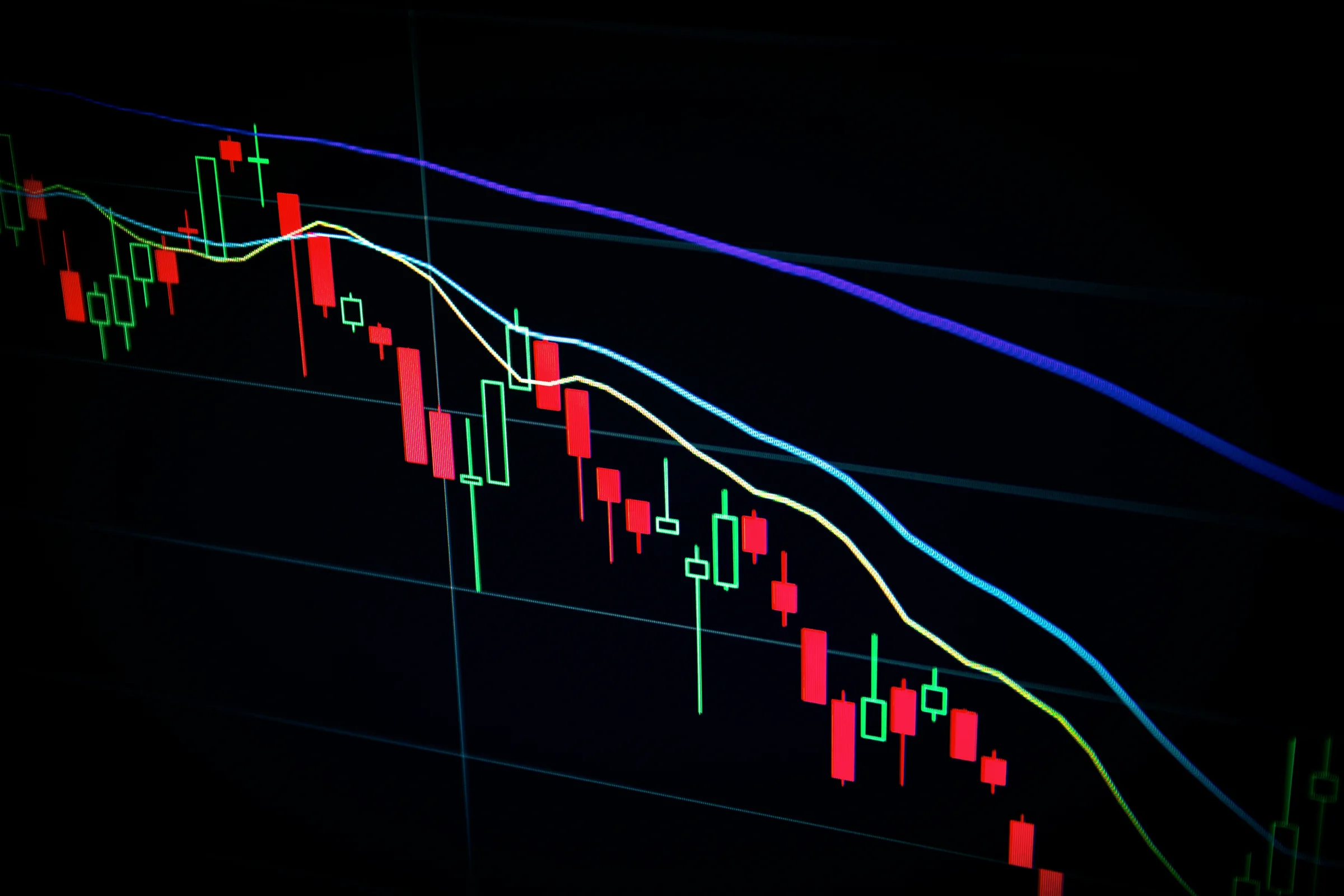
Cryptocurrencies are among the most volatile assets you can trade.
The US CFTC says the value of virtual currencies is completely derived by market forces of supply and demand.
Some cryptos, called unbacked, have nothing you can see or touch behind them, such as gold or cash.
Their price can rise or fall depending on whether other people are willing to buy them. If people stop buying, the price could fall dramatically.
What are the advantages?
Crypto markets trade around the clock, seven days a week.
The UK FCA says the technology behind crypto might lower costs and speed up payments in the future.

What are the risks?
Virtual assets may lose their value in part or in full, and are subject to extreme volatility at times. You can lose all the money you invest, and you do not benefit from any form of financial protection.
ETTFOS has a commercial interest here: it sells trading education, and its course contents include cryptocurrencies.
If you decide to invest in crypto then you should be prepared to lose all your money, for reasons including sudden market moves, the failure of a firm, poor segregation of client funds or cyberattacks.
UK FCA
On data from August 2015 to December 2022, a majority of crypto app users in nearly all economies made losses on their bitcoin holdings.
BIS researchers
There is no assurance of recourse if your virtual currency is stolen.
US CFTC
How can ETTFOS help?
Successful traders follow a proven system.
One framework, taught since 1997.
- A disciplined, rules-based approach to trading, with risk management at the heart of every decision.
- Clear rules for entries, exits and risk.
- Entry, target and stop, decided before the trade.
The strategies apply to every time frame, from day trading to the long term, without frantic buying and selling.
ETTFOS courses cover the markets in different depth.
Next step
Contact us to learn more about the program.
ETTFOS is not an investment advisory service or a broker-dealer, and it does not tell anyone what to buy or sell.
Sources
- US NIST, “Blockchain Technology Overview” (IR 8202), October 2018.
- VARA, Marketing Regulations (rulebook). Read 31 October 2026.
- ETTFOS Quantum Leap course page, contents.
- US CFTC, “Understand the Risks of Virtual Currency Trading”. Undated, read 31 October 2026.
- BIS Bulletin 69, “Crypto shocks and retail losses”, 20 February 2023 (authors’ views).
- UK FCA, “Crypto: The basics”, updated 29 January 2026.
- ETTFOS, Terms & Conditions.
- US CFTC, “CFTC Glossary”. Undated, read 6 November 2026.